
1. Introduction
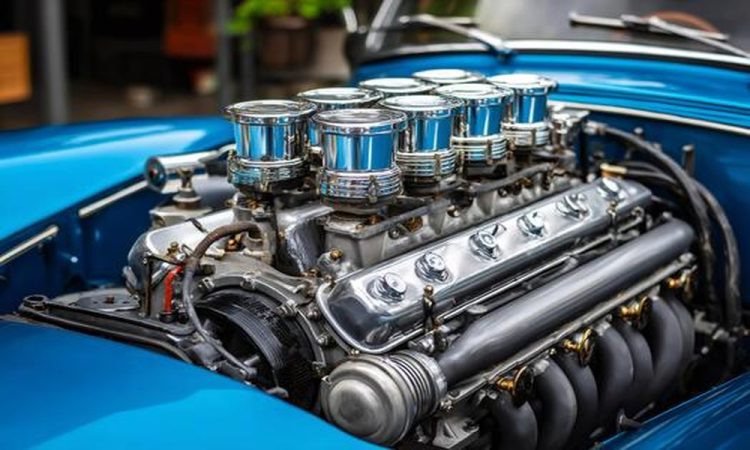
Classic car engines reflect a mix of engineering skill and historical charm. Found in vehicles over 25 years old, these engines highlight the innovation of earlier automotive eras and remain highly valued by enthusiasts. They also represent cars that shaped American automotive history, showcasing the evolution of performance, design, and engineering. Beyond functionality, they symbolise a time when mechanical design was more hands-on and less dependent on digital systems.
2. Types of Classic Engines
Classic engines are mainly divided into three categories:
- Inline Engines: Cylinders are arranged in a straight line, making them simple, reliable, and easy to maintain.
- V-Shaped Engines: Cylinders form a “V” shape, allowing more power and smoother operation in a compact design.
- Flat Engines: Cylinders lie horizontally, lowering the centre of gravity and improving stability and handling.
- Each type reflects different engineering priorities such as efficiency, power, or balance.
3. Key Engine Components
Several parts work together to ensure engine performance:
- Engine Block: The main structure that holds components.
- Cylinder Head: Controls airflow and combustion.
- Pistons: Create compression for fuel ignition.
- Camshaft: Regulates valve timing.
- These components must operate in perfect coordination, highlighting the precision involved in classic engine design.
4. Engine Displacement
Larger displacement engines usually generate more power and torque, while smaller ones focus on fuel efficiency. This balance is important in defining performance. In classic cars, higher-displacement engines are often associated with performance-focused vehicles.
5. Fuel Types
- Gasoline: Most common due to its strong energy output.
- Diesel: Offers better fuel efficiency and durability but is less common.
- Alternative Fuels:Options like ethanol blends and biodiesel are gaining attention for being more environmentally friendly.
Choosing the right fuel is essential to maintain engine health and ensure optimal performance.
6. Performance Modifications
Enthusiasts often upgrade engines to improve output:
- Carburettor Upgrades: Improve fuel-air mixture and responsiveness.
- Performance Headers: Enhance exhaust flow and efficiency.
- Camshaft Replacement: Increases power by adjusting valve timing.
- Such modifications allow owners to combine classic style with improved driving performance.
7. Maintenance Practices
Regular care is essential for longevity:
8. Common Issues and Troubleshooting
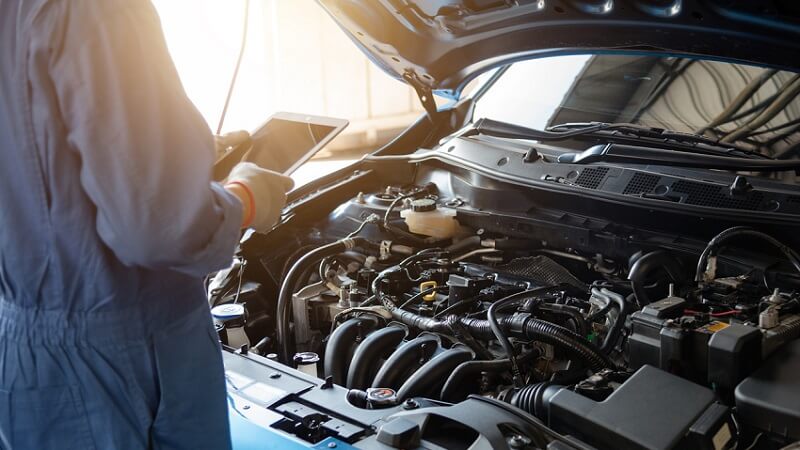
Classic engines may face problems like overheating, stalling, or unusual noises. These issues often arise from cooling system faults, fuel delivery problems, or worn components. Early diagnosis and timely repairs help prevent severe engine damage and ensure smooth functioning.
9. Innovations and Legacy
Classic engines introduced important advancements such as overhead camshafts, fuel injection, and lightweight materials. These innovations influenced modern automotive design and improved efficiency and performance standards across the industry.
10. Conclusion
Classic car engines are more than mechanical systems. They represent history, creativity, and craftsmanship. Their lasting impact continues to shape the automotive world and attract collectors and enthusiasts alike. Even today, they stand as a reminder of the evolution of engineering and the enduring appeal of vintage automobiles.