
Driving every day in Florida can be harder on a car than many people realize. The roads may look normal. The weather may even seem nice most of the year. But heat, humidity, heavy rain, stop-and-go traffic, salty coastal air, and long stretches of sun can slowly wear down your vehicle.
As a daily driver, your car does not get many breaks. It takes you to work, school, errands, appointments, and weekend plans. So when maintenance gets ignored, small problems can turn into bigger repairs fast.
Here are the most common car maintenance problems Florida drivers should watch for.
1. Battery Problems From Heat
Many people think car batteries fail mostly in cold weather. But in Florida, heat is a major battery killer. High temperatures can speed up the chemical reaction inside the battery and cause internal wear. Over time, this can shorten battery life.
You may notice slow starts, dim lights, clicking sounds, or electrical issues. Sometimes the car starts fine one day and struggles the next morning. That can be frustrating, especially when you are already running late.
For Florida drivers, it is smart to have the battery tested regularly, especially if it is more than two or three years old. Also check for corrosion on the terminals. White or greenish buildup around the battery posts can affect the connection and cause starting problems.
2. Tire Wear From Hot Roads
Florida roads get extremely hot, especially during summer. That heat can affect tire pressure and tire wear. Low tire pressure can make tires wear unevenly and reduce fuel economy. Overinflated tires can also create handling problems and uneven tread wear.
Daily drivers should check tire pressure often. A good habit is to check it at least once a month and before long trips. Use the recommended PSI listed inside the driver’s door area, not the number printed on the tire sidewall.
Also look at the tread. If one side is wearing faster than the other, your car may need an alignment. If the steering wheel shakes, the tires may need balancing. Florida rain can come fast, so good tire tread matters. Worn tires can make it harder to stop on wet roads.
3. Air Conditioning Issues
In Florida, air conditioning is not just a comfort feature. It almost feels necessary. A weak AC system can make daily driving miserable, especially when the car has been sitting in the sun.
Common AC problems include low refrigerant, clogged cabin filters, worn compressors, bad blower motors, or leaks in the system. You may notice warm air, weak airflow, strange smells, or clicking noises when the AC turns on.
A simple cabin air filter replacement can sometimes improve airflow. But if the AC blows warm air, the system should be inspected. Do not just keep adding refrigerant without checking for leaks. If refrigerant is low, there is usually a reason.
4. Brake Wear From Stop-and-Go Driving
Many Florida drivers deal with traffic, red lights, school zones, and busy local roads every day. All that stop-and-go driving wears out brakes faster.
Signs of brake problems include squeaking, grinding, vibration, pulling to one side, or a brake pedal that feels soft. If you hear grinding, the brake pads may already be worn down too far.
Brake problems should not be delayed. Florida roads can become slick during sudden rain, and you need your brakes to respond quickly. Regular brake inspections help catch worn pads before they damage rotors or other parts.
5. Wiper Blade Damage From Sun and Rain
Wiper blades are easy to forget until you need them. In Florida, they work hard. The sun dries out the rubber, and sudden storms can happen almost any time of year.
Old wipers may streak, skip, squeak, or leave parts of the windshield blurry. That is not just annoying. It can be dangerous when heavy rain hits during a drive.
For Florida daily drivers, replacing wiper blades every six to twelve months is often a good idea. If they are already streaking, do not wait. Clear visibility matters, especially during afternoon storms.
6. Engine Overheating
Florida heat can put extra stress on your cooling system. Your engine already runs hot, and the cooling system helps keep it at the right temperature. If something is wrong, overheating can happen quickly.
Common causes include low coolant, a leaking radiator, bad thermostat, worn water pump, broken fan, or damaged hoses. You may see the temperature gauge rising, steam from under the hood, or coolant leaking under the car.
If your engine starts overheating, do not keep driving. Pull over safely and turn the engine off. Driving with an overheated engine can cause serious damage.
Check coolant levels regularly, but only when the engine is cool. Opening a hot radiator or coolant cap can be dangerous.
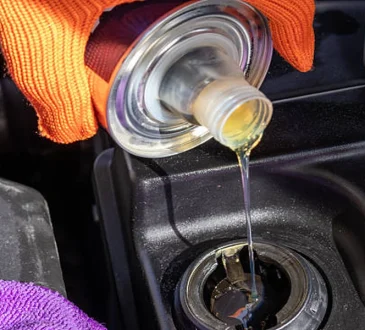
7. Oil Breakdown From Heat and Daily Use
Engine oil protects moving parts inside your engine. But heat, short trips, traffic, and daily driving can break oil down over time.
If oil gets too old or low, the engine can suffer from increased friction and wear. You may notice engine noise, burning smell, poor performance, or an oil warning light.
Follow the oil change schedule recommended for your vehicle. If you drive in heavy traffic, take frequent short trips, or drive in very hot conditions, your car may need oil changes sooner than expected.
Checking oil level between changes is also smart. It only takes a minute, and it can prevent major problems.
8. Rust and Corrosion Near Coastal Areas
Florida drivers near the coast should pay attention to rust and corrosion. Salt in the air can affect metal parts, especially under the vehicle. Even if you do not drive on salted roads like colder states, coastal moisture can still create problems over time.
Corrosion can affect brake lines, suspension parts, battery terminals, exhaust components, and electrical connections.
Washing your car regularly helps, especially the undercarriage if you live close to the beach or drive near saltwater often. It is also a good idea to inspect the underside of the vehicle during routine service.
9. Suspension Wear From Rough Roads
Potholes, uneven pavement, speed bumps, and daily driving can wear down suspension parts. Florida roads vary a lot. Some are smooth, while others can be rough and patched.
Signs of suspension problems include clunking noises, uneven tire wear, bouncing, drifting, or the car feeling loose over bumps.
Suspension problems can affect handling and tire life. If your car no longer feels stable, have it checked. It may need shocks, struts, bushings, control arms, or other parts.
Final Thoughts
Florida daily drivers deal with heat, humidity, rain, traffic, and sometimes salty air. These conditions can cause battery issues, tire wear, AC problems, brake wear, wiper damage, overheating, oil breakdown, corrosion, and suspension trouble.
The best way to avoid expensive repairs is simple maintenance. Check fluids. Watch your tires. Replace worn wipers. Pay attention to warning lights. Do not ignore strange sounds, smells, or changes in how your car drives.
Your car does not need to be perfect. But it should be safe, reliable, and ready for Florida roads every day.
This post was written by a professional at Tires2Go Florida. Tires2Go Florida is a trusted automotive service center located in Pinellas Park, Florida, serving drivers across St. Petersburg, Tampa, Clearwater, and Largo. Our certified mechanics handle tire and wheel replacement, brake service, suspension repairs, oil change Pinellas Park FL, wheel alignments, tire balancing, and road force balancing. We also specialize in ADAS calibration, suspension modifications, lift kits, and lowering kits using quality parts and modern diagnostic equipment. From routine maintenance to advanced automotive services, Tires2Go Florida provides dependable solutions and tires for sale for vehicles throughout the Tampa Bay area.