
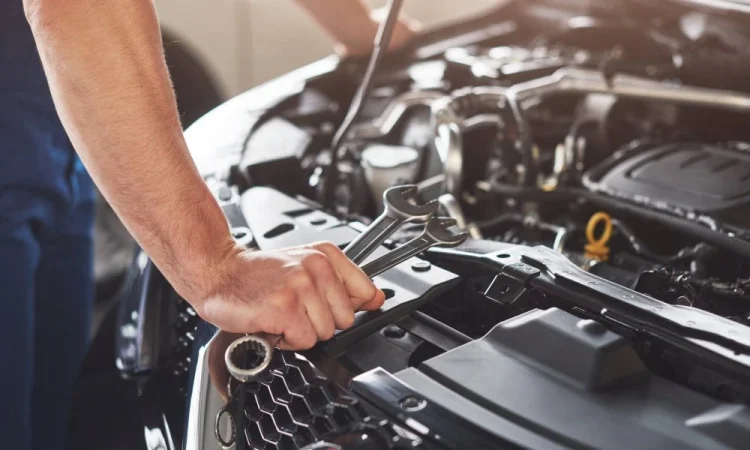
The transmission and torque converter work closely together during everyday vehicle operation. So similar symptoms can make diagnosis difficult without careful mechanical testing. Sometimes poor acceleration may indicate a torque converter problem instead of transmission damage. But unusual shifting can also originate from internal transmission components. Mechanics therefore examine several operating symptoms before identifying the actual source. Master Car Care and Collision uses systematic inspection methods to separate related drivetrain concerns accurately.
Understanding Torque Converter Symptoms
The torque converter connects engine power with the automatic transmission input. A damaged converter can create shuddering during acceleration or inconsistent power delivery. Sometimes the vehicle may vibrate while cruising at steady speeds. Slipping sensations can also appear when engine speed rises unexpectedly. These symptoms often become noticeable during gentle acceleration or changing driving conditions.
Mechanics observe when these symptoms appear during normal vehicle operation. Converter lockup problems may produce vibrations at particular driving speeds. A failing clutch inside the converter can also create unusual engagement. Therefore, road testing becomes useful before deeper transmission inspection begins. Master Car Care and Collision can evaluate these driving symptoms alongside other mechanical findings.
Identifying Transmission Related Problems
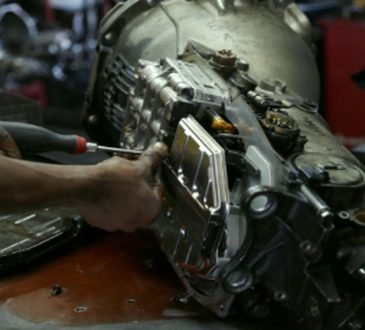
Transmission problems often create symptoms involving gear selection and shifting behavior. Harsh engagement may occur when selecting drive or reverse during operation. Delayed shifting can also suggest hydraulic or internal transmission concerns. Sometimes gears may slip because internal clutches cannot maintain proper pressure. Strange noises can further indicate internal mechanical wear within the transmission.
Mechanics examine fluid condition because contaminated fluid can reveal internal deterioration. Burnt smelling fluid may indicate excessive friction within transmission components. Metal particles can provide additional evidence of internal mechanical damage. These findings can separate transmission problems from isolated converter concerns. The inspection process therefore considers multiple symptoms instead of one complaint.
Why Accurate Diagnosis Matters
Replacing an entire transmission for a converter problem can create unnecessary expense. Replacing only the converter cannot solve damage located inside transmission components. Mechanics therefore need accurate evidence before recommending major drivetrain repairs. The diagnostic process helps prevent unnecessary replacement of expensive mechanical assemblies.
Sometimes several faults can exist within the same automatic transmission system. A failing converter may also place additional stress on transmission components. Similarly internal transmission damage can produce symptoms resembling converter failure. Careful inspection helps identify whether related problems require attention together. Master Car Care and Collision can assess these concerns before recommending an appropriate repair approach.
Professional Inspection Can Clarify Drivetrain Problems
Torque converter problems and transmission problems often produce remarkably similar driving symptoms. Professional diagnosis remains important when unusual drivetrain behavior develops. Ignoring persistent symptoms can allow mechanical wear to become increasingly expensive. Early inspection can help identify the affected component before further damage develops. Auto Repair in Houston, TX service can provide suitable diagnostic assistance for transmission concerns.