
Collector’s guide to classic vehicles plays an important role in helping enthusiasts navigate trends that are defining innovation and growth across a variety of channels within the industry.
An Aspirating and Developing Market of Collectable Cars.
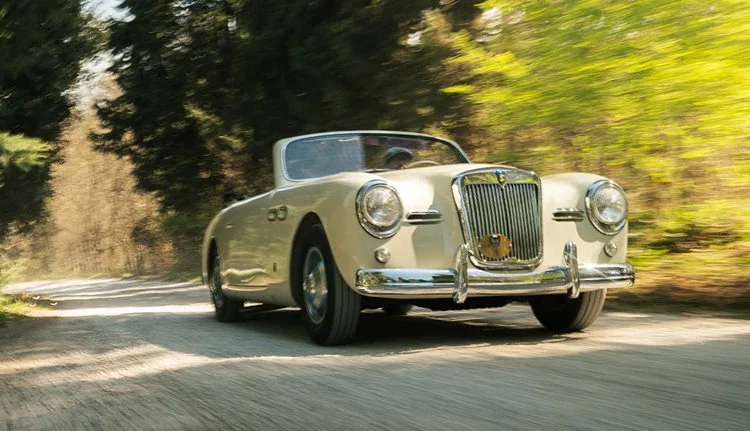
Collectable cars are generally described as automobiles that are not in current production for more than five years and have an intrinsic value, and they are often associated with their cultural, performance, rarity, or historical worth. The market is generally accessible to many buyers since even most of the collectables can fetch tens of thousands of euros at auction, although really ultra-rare models can fetch millions of euros.
The list of cars that people consider collectable vehicles cuts across generations, and there has been a significant upswing in the demand for cars produced in the 1980s to the beginning of the 2000s. These periods are also echoed by younger collectors who have known these cars since their early years and this has increased their valuations and liquidity. The modern collectable stock is approximated to be valued at EUR800 billion in terms of the extent and global coverage of the industry. Although a minor portion of the total vehicle production is comprised of collectable cars, its effects on culture and consumer feeling are greater than average. They affect the way the heritage brands are perceived by people, they impact how the story of the automotive industry is told, and they make the emotions run deeper than the actual selling.
Opportunities Value Chain of the Collectables.
There is no limit to the economy of collectable cars in purchasing and selling cars. The value chain involves various sources of revenues – trading and brokerage, maintenance, restoration, storage and specialised insurance. These segments combined amount to a yearly revenue base that is estimated to be between EUR76 billion and EUR90 billion.
Trading and Brokerage
The bulk of the revenue is through trading activities. This involves dealer sales, individual transactions and a growing presence of platforms that are aimed at matching buyers and sellers in ways that are more efficient. The usefulness of auctions is still present and auctions are becoming more valuable particularly in vehicles of high value and the computerisation of these auctions is making these channels more transparent and trustworthy.
Maintenance, Restoration and Spares.
The maintenance of classic cars in service demands regular servicing and restoration skills and the availability of new or make-up parts. This market is creating great economic action – worth tens of billions – and expanding, with collectors demanding authenticity and performance.
Logistics and Storage
It takes specially localised services to transport and keep beloved cars safe, especially when one wants to go across borders in order to participate in an event or make sales. The growing opportunities in the ecosystem are climate-controlled facilities, secure storage, and custom logistics.
The Implication of this on the Automotive Industry.
The collectable car market is a source of innovation and a commercial opportunity for the manufacturers and stakeholders in the industry. Heritage programs, minimally continuation series and digital participation programs can reinforce brand loyalty and bring new generations of fans to old generations. Collectable cars are not just a business of nostalgia; they are a source of value generation, social interactions and technology.